
How Do Professional Movers Protect Furniture During a Move?
How do professional house movers protect furniture during a move? Keep reading to learn how careful disassembly, secure truck loading, and more prevent damage.
Your furniture is often one of the most valuable parts of your household. Couches, dining sets, dressers, and heirloom pieces represent years of investment and memories. When it's time to move, protecting those items from scratches, dents, and breaks is usually at the top of every homeowner's mind.
Moving furniture safely takes more than strength. Narrow hallways, tight staircases, sharp corners, and long drives can all put furniture at risk if it isn't handled correctly. Professional moving crews rely on planning, specialized materials, and proven techniques to help each piece reach its new home in good condition.
Moving is also something many people do less often than in the past. According to Move Buddah, today, just over half as many people move each year as they did in the 1950s. Because most homeowners don't move often, they may not realize how much preparation goes into protecting furniture along the way.
At Summit Moving & Storage, our licensed and insured team helps families move throughout Houston, Dallas, and across Texas. As experienced house movers, we take pride in wrapping, protecting, and transporting your belongings with care. Below, we explain how professional movers protect furniture during a move.
Highlights
- Professional movers start with a walkthrough to identify large, fragile, or valuable furniture before moving day.
- Moving blankets and stretch wrap protect furniture from scratches, dents, dust, and moisture.
- Disassembling large pieces makes them easier to move safely through hallways and doorways.
- Floors, walls, and door frames are protected so both homes stay in good condition.
- Strategic truck loading keeps furniture secure and prevents shifting during transit.
- Summit Moving & Storage provides residential, packing, and specialty moving services across Houston and Dallas.
Planning Ahead With a Walkthrough
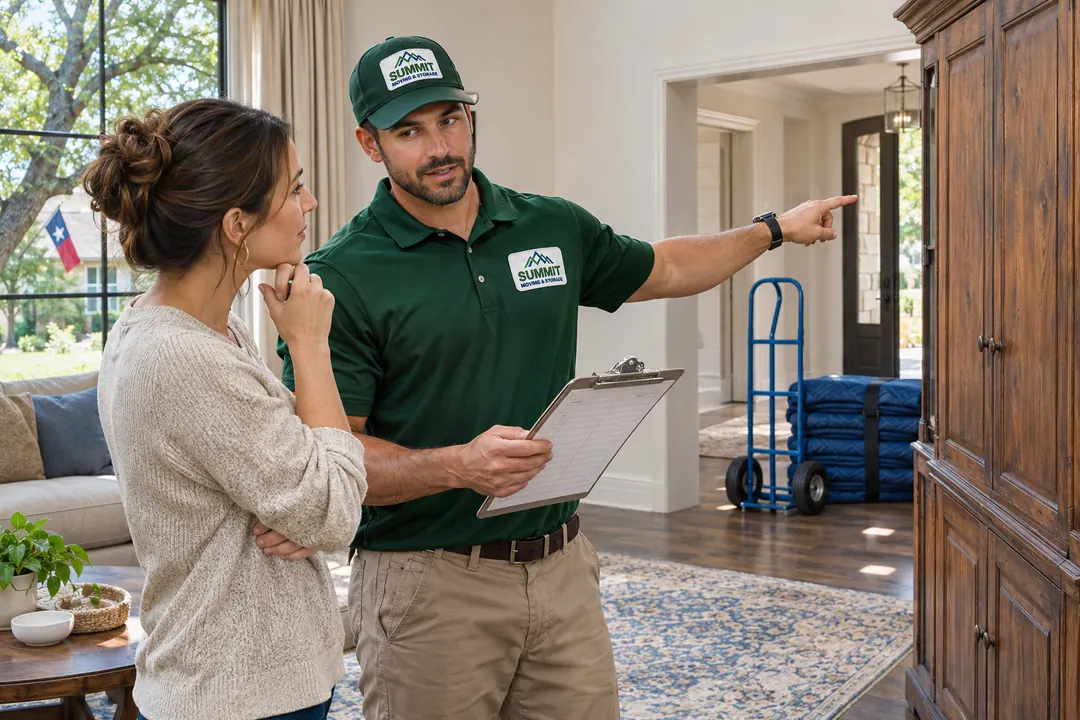
Protecting furniture starts before anything is lifted. A walkthrough or detailed move estimate helps identify large, heavy, fragile, or high-value pieces that need special attention. It also allows the crew to plan how each item will be moved through the home.
During this stage, movers look at doorways, staircases, elevators, and tight corners that could make moving difficult. Knowing these details ahead of time helps them bring the right tools and materials. This planning reduces surprises on moving day and lowers the risk of damage. It also gives you a chance to point out any pieces with special value or history.
Wrapping Furniture in Moving Blankets
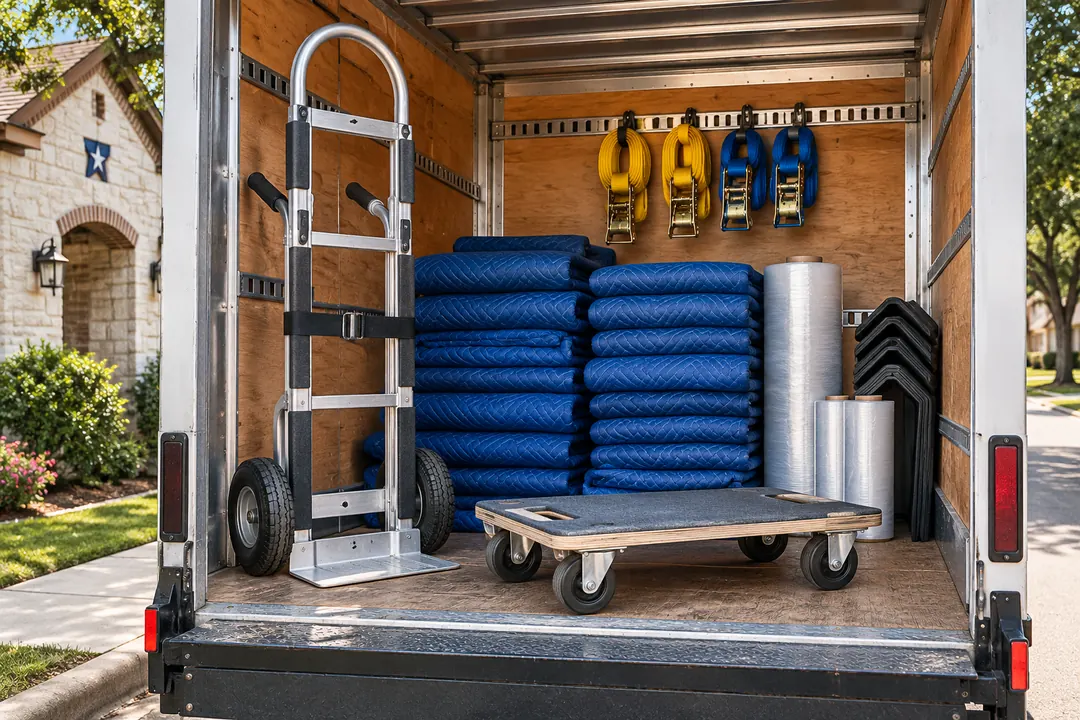
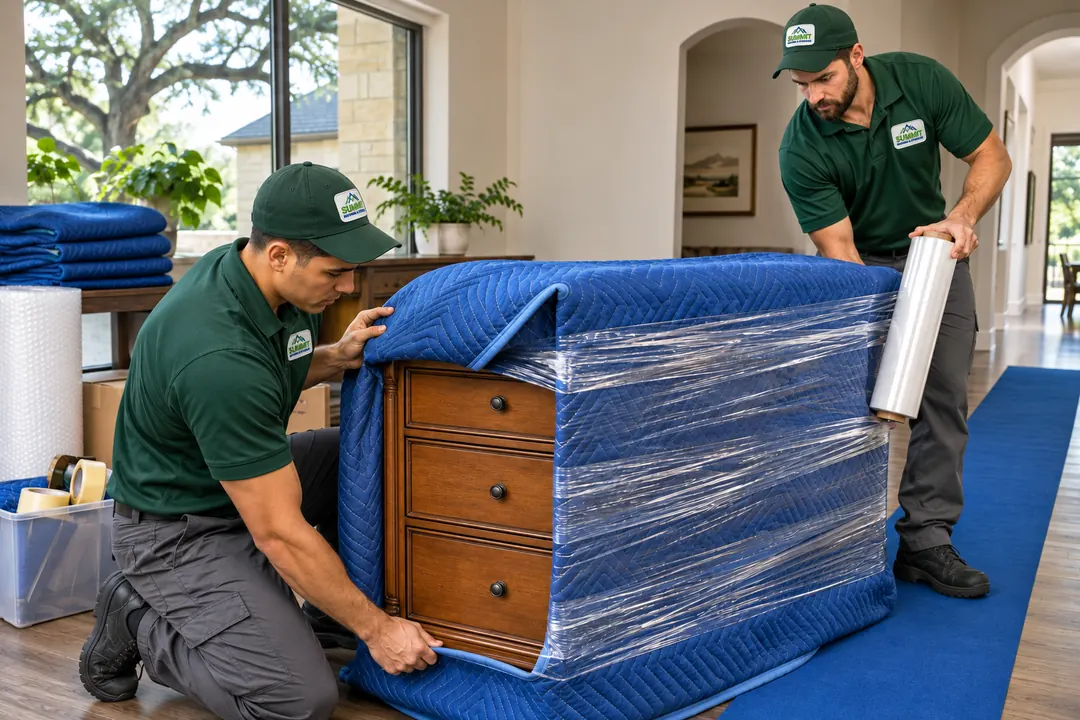
Moving blankets are one of the most important tools professional crews use. These thick, padded blankets wrap around furniture to cushion it against bumps and scrapes during handling and transport. They're especially useful for wood furniture, tables, dressers, and other pieces with finishes that can scratch easily.
Once blankets are in place, stretch wrap is often used to hold them securely. This helps keep the padding from slipping and adds a layer of protection against dust and moisture. Experienced house movers know how to wrap each piece so it stays protected from the moment it leaves the room until it's placed in your new home.
Disassembling Large Pieces
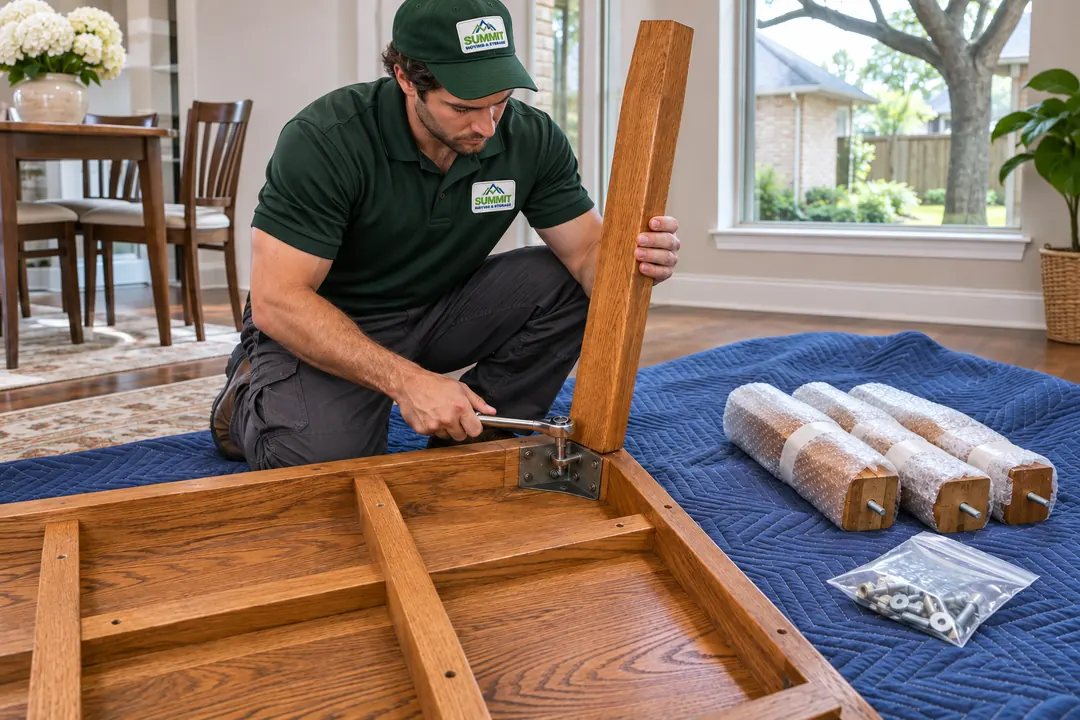
Some furniture is simply too large or awkward to move in one piece. Bed frames, dining tables, sectional sofas, and certain shelving units are often easier and safer to transport when partially disassembled. Removing legs, shelves, or other components reduces weight and makes the item easier to maneuver.
Careful disassembly also protects the parts most likely to break. Table legs, glass shelves, and detachable pieces can be wrapped and packed separately to avoid stress during the move. Hardware is kept organized so the furniture can be reassembled correctly once it arrives at your new home.
Using Specialty Materials for Delicate Surfaces
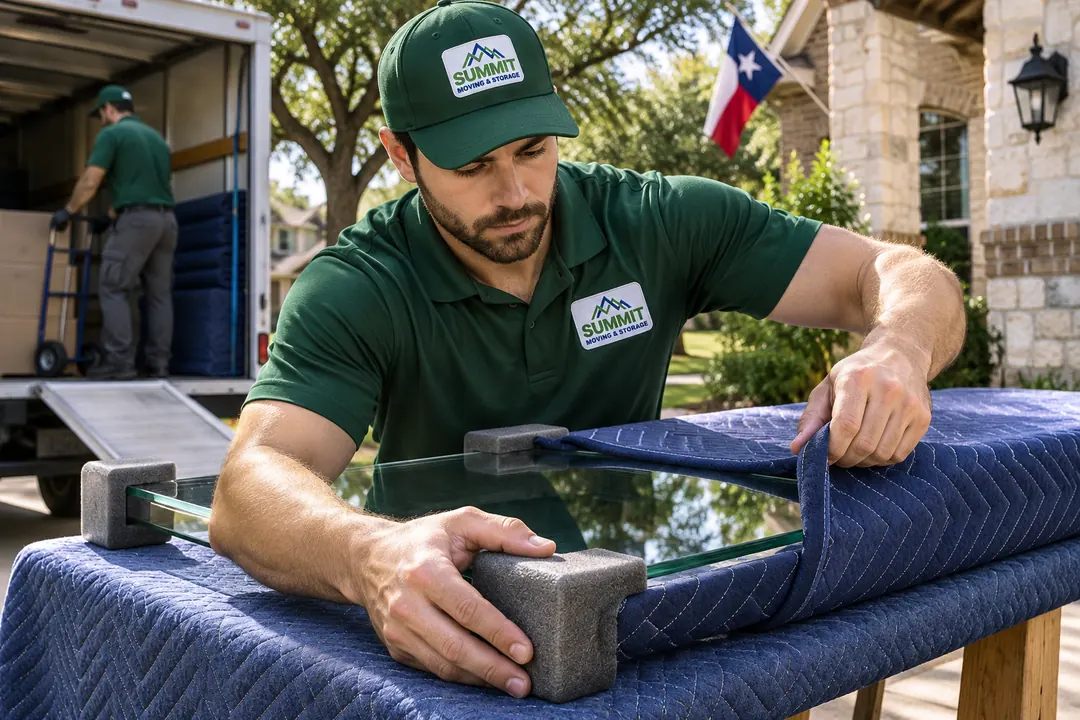
Not all furniture can be protected the same way. Glass tabletops, mirrors, marble surfaces, and antique finishes often need extra care to prevent cracks, chips, or scratches. Corner protectors, foam padding, and specialty boxes help shield these delicate areas.
Upholstered furniture may also be wrapped to keep fabric clean and free from tears. Mattresses are often placed in protective covers to keep them sanitary during transport. Using the right materials for each type of surface is a key part of how house movers keep belongings in excellent condition.
Protecting Floors, Walls, and Doorways
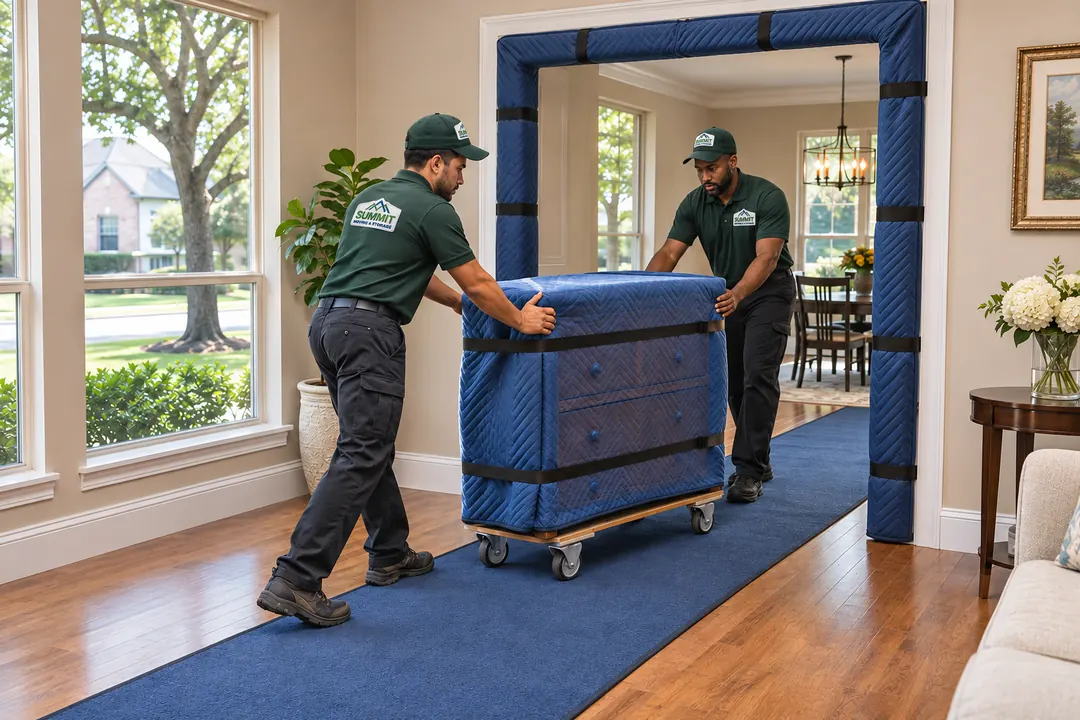
Protecting furniture also means protecting the homes it moves through. Heavy items carried through tight spaces can easily scuff walls, chip door frames, or scratch floors. Professional crews take steps to prevent this kind of damage at both the old and new locations.
Floor runners, padding, and blankets laid along walkways help protect hardwood, tile, and carpet. Door frames and banisters may also be padded in areas where furniture passes closely. Elevators in apartment buildings may also be padded when allowed. Our customers often notice the extra care our crews take to protect their homes on moving day.
Loading the Truck Strategically
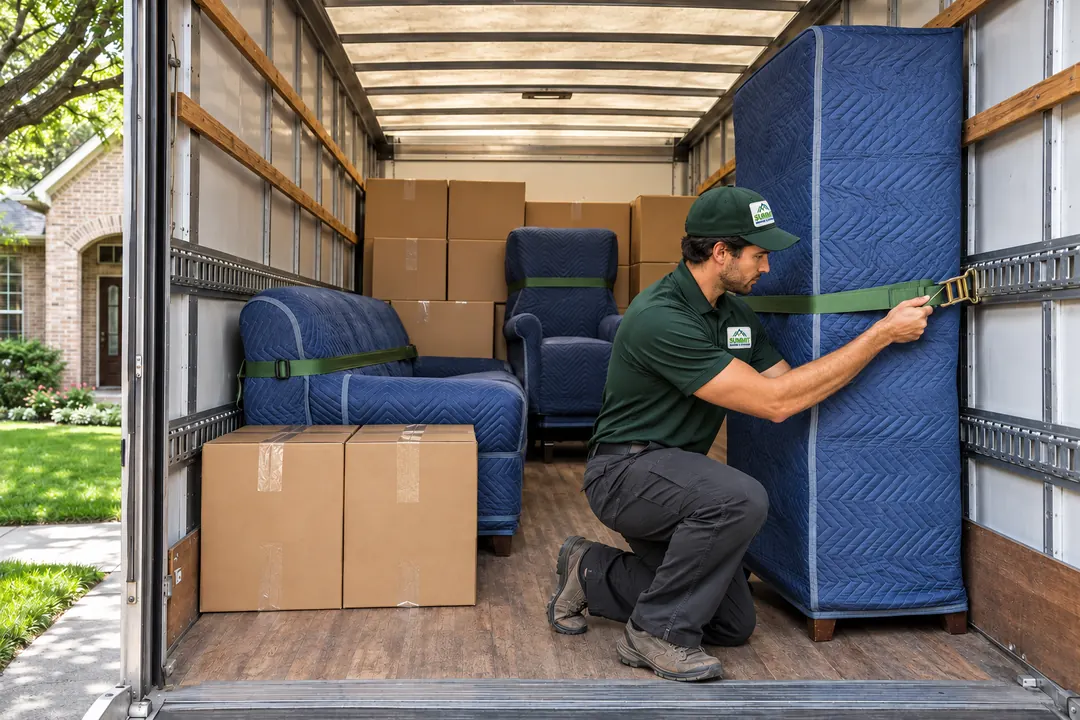
How furniture is loaded onto the truck plays a major role in preventing damage. Heavier items are typically placed first and positioned to create a stable base, while lighter or more fragile pieces are loaded carefully around them. This approach helps distribute weight evenly and keeps items from shifting. Mattresses and soft items can also act as buffers between harder pieces.
Straps, tie-downs, and padding are used to secure furniture in place during transport. Gaps are filled to minimize movement, especially during long-distance moves. Skilled house movers understand how to load and secure a truck to reduce the risk of damage during transport.
Handling Specialty Items With Extra Care
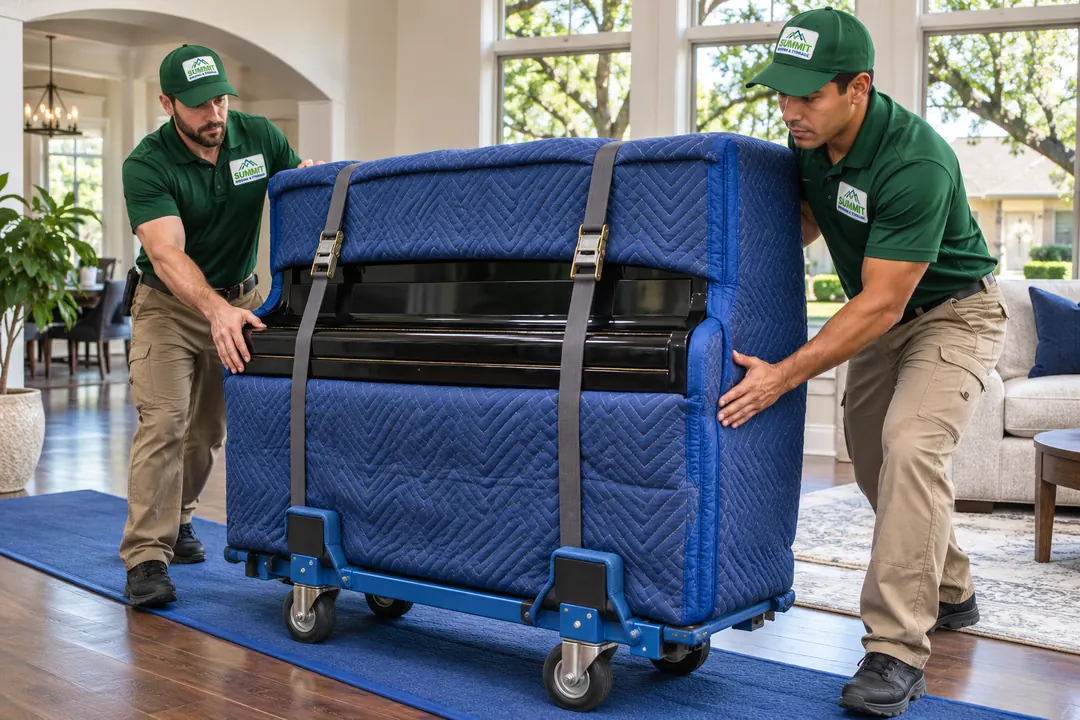
Some items require more than standard furniture protection. Pianos, gun safes, artwork, antiques, and other specialty pieces may need custom crating, extra padding, or specialized equipment. These items often have unique shapes, weights, or values that call for additional expertise.
Our specialty moving services are designed for these types of belongings. According to the Texas Department of Motor Vehicles, for moves within Texas you must file a written claim with your mover within 90 days of delivery for loss or damage. Include enough information for the mover to investigate, along with the amount or resolution you are requesting. If an item is damaged, document it promptly and preserve the damaged goods and packing materials.
Moving With Confidence Alongside Summit Moving & Storage
Professional movers protect furniture through careful planning, quality materials, smart disassembly, home protection, and strategic loading. These steps work together to keep your belongings safe from the first lift to the final placement in your new home.
Summit Moving & Storage is registered under USDOT 3532855 and TxDMV 009113070C and offers transparent pricing with no hidden fees. Contact Summit Moving & Storage today at (713) 623-1444 to request an estimate from trusted house movers.
Frequently Asked Questions
Do movers wrap furniture?
Yes, professional movers typically wrap furniture in moving blankets and secure them with stretch wrap. This helps protect against scratches, dents, dust, and moisture during handling and transport.
Should I disassemble furniture before movers arrive?
You can disassemble some items if you're comfortable doing so, but many moving companies offer disassembly and reassembly as part of their services. Professional crews know how to take furniture apart safely and keep hardware organized.
Does Summit Moving & Storage offer packing services?
Yes, Summit Moving & Storage offers full-service packing, partial packing, and packing supplies. We also provide climate-controlled storage solutions for customers who need extra time or space during their move.
Plan Your Next Move
Tell us about your moving date, inventory, and any special handling needs.